The most expensive PFAS decision a utility makes is the one it makes without data.
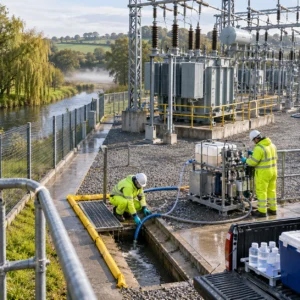
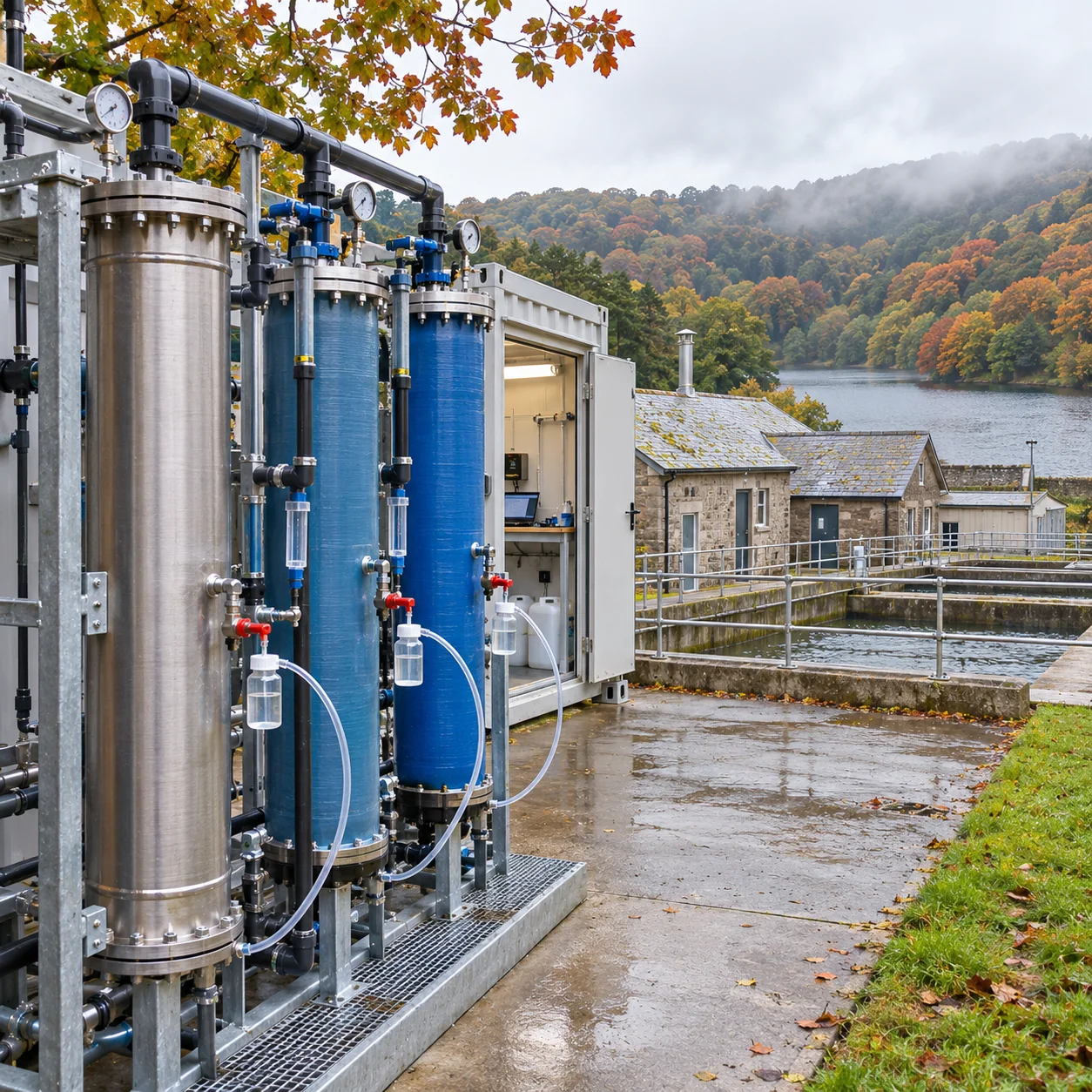
Jersey Water is taking the other route. On November 9, 2026, the island’s water company reported that early trials of four different PFAS removal methods at its Augrès and Handois treatment works have produced encouraging results, according to the BBC. At Augrès, PFAS levels fell by about 30 percent during the trial period.
The company describes the findings as preliminary. Still, chief executive Helier Smith said the results “do demonstrate that PFAS concentrations in water can be reduced by these technologies.”
The bigger story is how the programme is designed: test first, then size the capital spend around evidence.
A £2 Million Pilot Against a £210 Million Worst Case
The numbers explain the strategy. According to the BBC, removing PFAS from Jersey’s supply could cost between £140 million and £210 million in a worst case scenario that requires a new treatment works. The full pilot trial costs about £2 million.
The point of the trial is to find out what the real figure will be.
That is a sensible ratio. Spending around 1 percent of the potential capital bill to narrow the range of outcomes is the kind of risk management that boards, regulators and customers can all understand. The full pilot runs for 12 months, with a final report due at the end of 2027.
Jersey Water had already set aside the £2 million within its £48 million five-year investment plan to fund pilot studies over two years, Bailiwick Express reported in October 2025.
From a Long List to a Short One
The trials did not start from a blank sheet. In October 2025, Jersey Water said it was narrowing its options to granular activated carbon and ion exchange, and was considering running the two in series as an additional treatment stage on top of existing processes.
That pairing reflects how many utilities now think about PFAS. Granular activated carbon is familiar to operators and handles a broad range of compounds. Ion exchange resins can be more selective for specific PFAS. Used together, one can act as a polishing step for the other.
Which combination works best on Jersey’s raw water?
How long will media last before it needs replacing?
Those are the questions a pilot can answer and a desktop study cannot.
Why the Target Drives the Design
Jersey’s standard is set to be demanding. Bailiwick Express reported that PFAS levels in the supply stood at 13 nanograms per litre, while the government’s panel of PFAS advisers has recommended a standard below 4 nanograms per litre for four compounds.
Jeanette Sheldon, Jersey Water’s head of water quality, has said the island’s drinking water is safe and that the future standard will be stricter than current limits, adding that very few countries have such a standard in law.
A low target changes the engineering. Removing the last few nanograms per litre usually costs far more than removing the first many, and treatment works that were never designed for PFAS may struggle to accommodate new process stages. Smith has said existing works were not built for these processes and that a new treatment works may be needed.
That makes accurate performance data critical.
What Utilities Elsewhere Can Take From Jersey
Jersey is a small island system, but the decision it faces is the same one confronting water utilities across North America and Europe. The lessons travel well:
- Pilot several technologies on real source water before committing capital
- Budget for pilots inside the regular investment plan, not as an afterthought
- Test combinations, such as carbon and ion exchange in series, not only single options
- Measure media life and replacement costs alongside removal rates
- Account for seasonal and source variation in raw water quality
- Publish interim results to keep customers and regulators informed
The last point matters more than it might appear. “There’s clearly a public interest in PFAS,” Smith said, and the company has committed to sharing results regularly. Transparency during the pilot phase builds the public support a utility will need when it eventually asks customers to fund a full-scale plant.
The Value of Knowing the Real Cost
Funding for the long-term solution is still taking shape, though the government’s Investing in Jersey programme includes a commitment to PFAS treatment investment, Bailiwick Express reported. A tested design gives that programme a firmer number to work with.
For technology suppliers, Jersey shows how procurement is changing. Utilities want site-specific performance data before they sign. Vendors whose media and systems can prove themselves in a pilot will be the ones selected for the build.
PFAS compliance will be expensive everywhere. The utilities that test first will be the ones that spend it well.